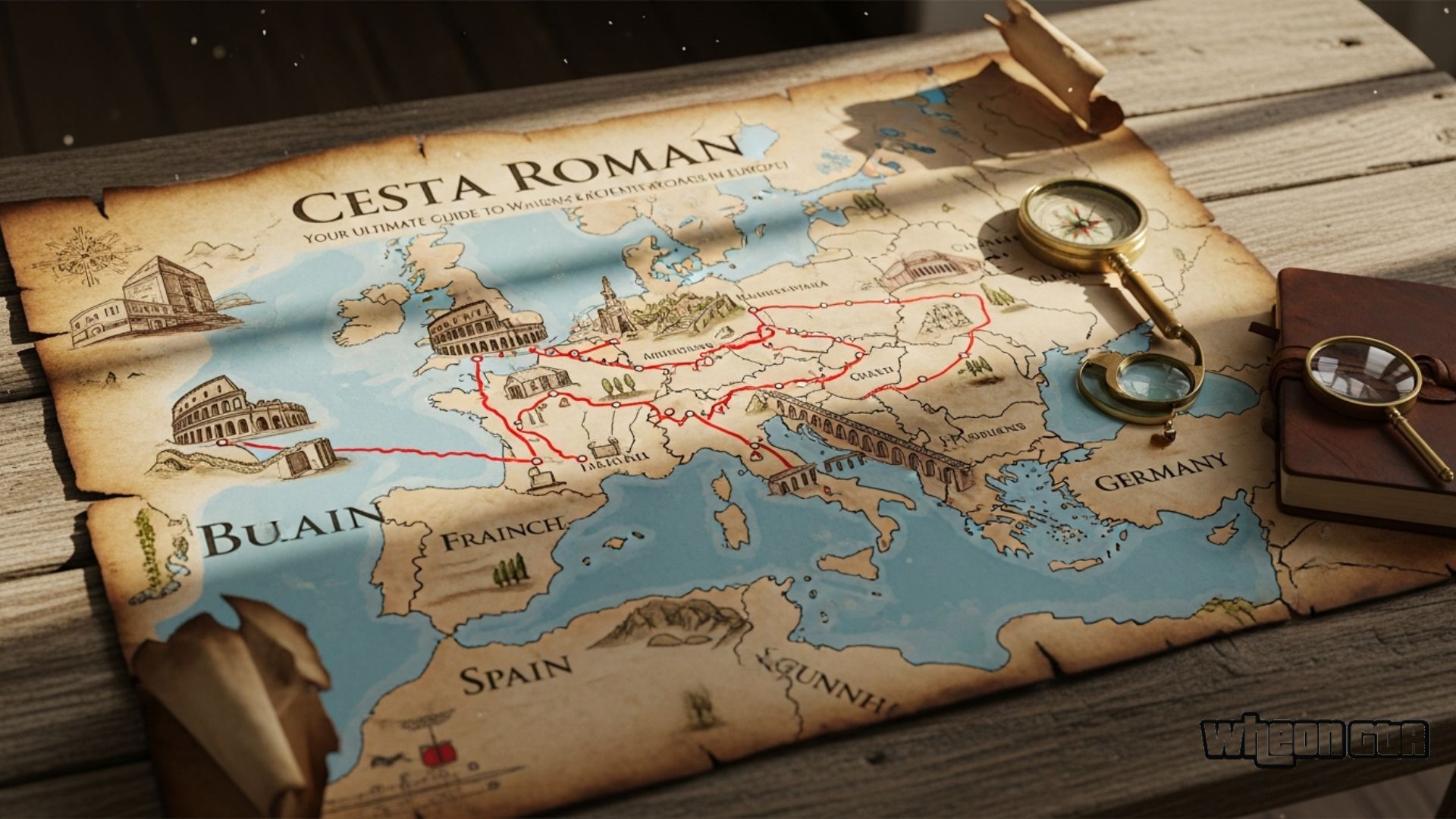
Cesta Roman Your Ultimate Guide to Walking Ancient Roman Roads in Europe
Hey there, fellow explorer! Have you ever dreamed of stepping back in time, right under your feet? Picture this: you’re wandering through a lush forest, birds chirping around you, and suddenly, the dirt path turns into smooth, ancient stones that have been there for over 2,000 years. That’s the magic of Cesta Roman – those incredible Roman roads that still crisscross parts of Europe today. If you’ve been searching for “Cesta Roman,” you’re probably curious about these historical gems. In this guide, we’ll dive into what they are, why they’re so special, and how you can experience them yourself. Let’s hit the road – or should I say, the ancient path?
I’ve hiked a few of these trails myself, and let me tell you, it’s like touching history. No fancy time machine needed, just good shoes and a sense of wonder. We’ll keep things simple, fun, and packed with tips so you can plan your own trip without any hassle.
What Does Cesta Roman Really Mean?
First things first, let’s decode the name. “Cesta Roman” might sound a bit mysterious, but it’s actually pretty straightforward. In languages like Slovenian and Croatian, “cesta” simply means “road” or “street.” Add “roman” (or “rimska” in local spelling), and you’ve got “Roman road.” It’s not some secret code – it’s a direct nod to the mighty Roman Empire’s highways.
These aren’t your everyday paths. They were the backbone of an empire that stretched across continents. Think of them as the original superhighways, built for soldiers, traders, and everyday folks. If you’ve ever driven on a modern interstate and wondered why it’s so straight and efficient, thank the Romans – many European roads today follow their old routes.
Why does this matter to you? Well, if you’re a history buff or just love outdoor adventures, understanding the name helps you spot these spots on maps or signs. Look for “Rimska Cesta” in places like Slovenia, and you’re on the trail of something ancient and awesome.
Fun little story: On my last trip to Central Europe, I stumbled upon a street sign saying “Rimska Cesta” in Ljubljana. At first, I thought it was just a name, but nope – it was literally built on Roman foundations. Talk about a wow moment!
The Fascinating History of Cesta Roman
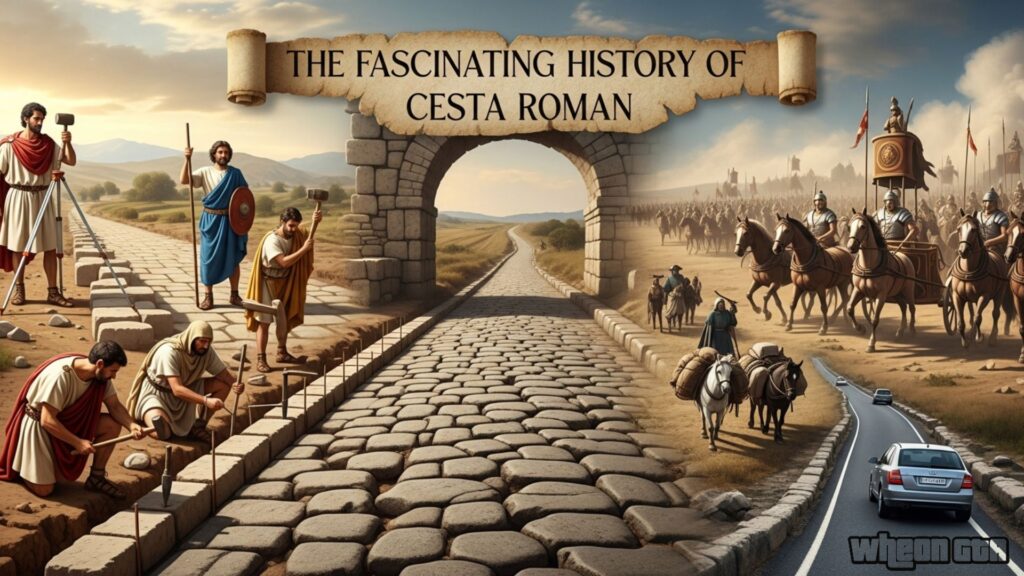
Now, let’s travel back in time. The Roman Empire was huge, right? From Britain to the Middle East, they needed ways to move armies, goods, and ideas fast. That’s where Cesta Roman comes in. These roads were built starting around 300 BC, and by the empire’s peak, there were over 400,000 kilometers of them. That’s like circling the Earth 10 times!
One of the most famous in this region is part of the Amber Road. Amber, that shiny fossilized resin, was like gold to the Romans. They traded it from the Baltic Sea down to Italy, passing through what’s now Slovenia. Cities like Emona (modern-day Ljubljana) were key stops. Merchants carried jewels, silk, and spices, while soldiers marched to protect the borders.
Imagine being a trader back then, your wagon rumbling over these stones, dodging bandits, and dreaming of riches. Or a legionnaire, boots pounding the pavement, far from home. These roads weren’t just for travel – they connected cultures, spread Roman laws, and even helped Christianity grow later on.
Compared to other ancient paths, like the Silk Road in Asia, Cesta Roman stands out for its durability. While many old trails faded away, these Roman ones stuck around because of smart design. We’ll get to that next. But here’s a cool fact: Some sections are still used today, proving the Romans knew a thing or two about building to last.
Roman Engineering: How Cesta Roman Roads Were Built to Last
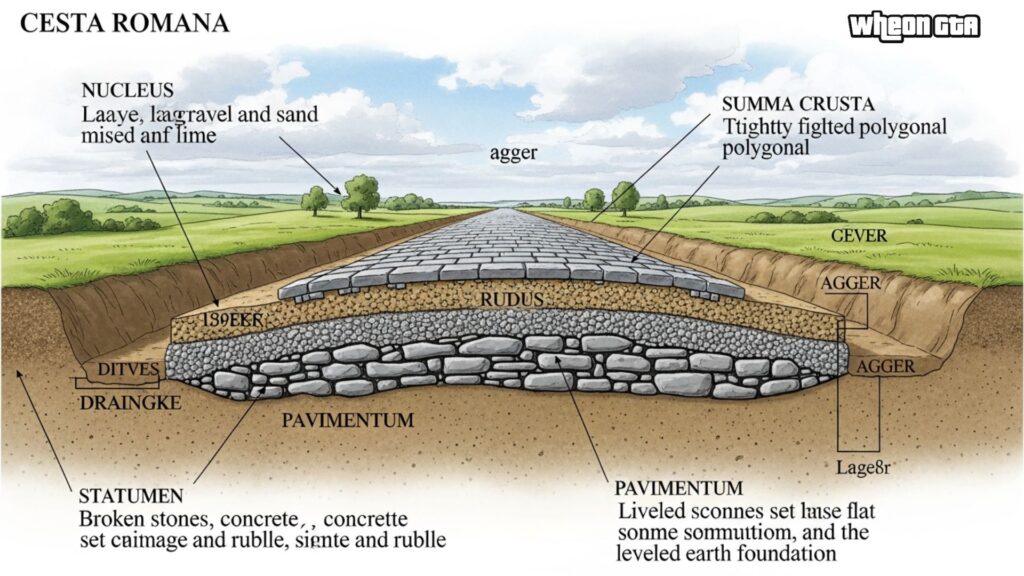
Okay, this is where it gets really cool. Why hasn’t time washed these roads away like a sandcastle at the beach? It’s all thanks to Roman engineering genius. They didn’t just slap down some rocks – they had a step-by-step blueprint that modern builders still admire.
Here’s how they did it, broken down simply:
- Dig the Foundation: They started by digging a deep trench, right down to solid bedrock. No shaky ground here!
- Layer the Base: Big stones went in first for stability, like the strong bones in your body.
- Add the Middle Layer: Rubble mixed with early concrete filled in the gaps, making it tough and weather-resistant.
- Top It Off: Smooth, flat stones fitted together like puzzle pieces. No mortar needed – just perfect fitting.
The real secret? Cambering. That’s a fancy word for making the road slightly curved, higher in the middle. Rainwater rolls off to the sides into ditches, preventing floods and mud. Genius, right? That’s why, after earthquakes, wars, and endless winters, you can still walk on them.
Take a look at this diagram of Roman road construction – it shows the layers perfectly.
Compared to today’s asphalt, which cracks every few years, these roads were eco-friendly too – using local stones and no chemicals. If you’re into science, think of it as early civil engineering. Experts say this method inspired modern highways, like the Autobahn in Germany.
But a disclaimer: Not all sections are perfectly preserved. Some are overgrown or damaged, so always check trail conditions before heading out.
Where to Find and Explore Cesta Roman Today
Ready to lace up your boots? You don’t need to be an archaeologist to see Cesta Roman up close. Central Europe, especially Slovenia and Croatia, has some of the best spots. Here’s your go-to list, with tips for each.
Urban Adventures: Cesta Roman in Cities
Start in Ljubljana, Slovenia’s charming capital. The city was once Emona, a Roman stronghold. Head to Rimska Cesta street – yes, it’s named that! Under the modern pavement lie original stones. Visit the City Museum of Ljubljana for artifacts and displays. It’s perfect for a quick city stop, no hiking required.
While there, pop into archaeological parks. You can see exposed road sections and even touch the stones. It’s free in many spots, and great for families – kids love imagining gladiators walking by.
Rural Thrills: Hiking the Wild Cesta Roman Trails
For the real adventure, go rural. Near Logatec and Vrhnika, just outside Ljubljana, marked trails wind through forests. Expect mossy stones, quiet woods, and that eerie historical vibe.
- What You’ll See: Deep ruts from ancient chariot wheels – worn in over centuries!
- Trail Tips: Wear sturdy hiking boots; stones can be slippery after rain. Bring water and a map app like AllTrails.
- Best Time to Go: Spring or fall for mild weather and fewer crowds.
In Croatia, check out areas near the coast for similar paths. One example is in Krka National Park, where Roman trails mix with waterfalls.
Here’s a simple table comparing urban vs. rural spots:
| Aspect | Urban (Ljubljana) | Rural (Logatec Trails) |
|---|---|---|
| Accessibility | Easy, walkable in city center | Requires car or bus, then hike |
| Crowd Level | Moderate, tourists around | Low, peaceful nature |
| Highlights | Museums, signs, easy photos | Wheel ruts, forest atmosphere |
| Time Needed | 1-2 hours | Half-day or more |
And check out these photos from actual Cesta Roman sites in Slovenia.
If you’re hiking, watch for wildlife – deer and birds add to the charm. I once spotted an old milestone marker, like a Roman road sign. Super exciting!
Why You Should Visit Cesta Roman Right Now
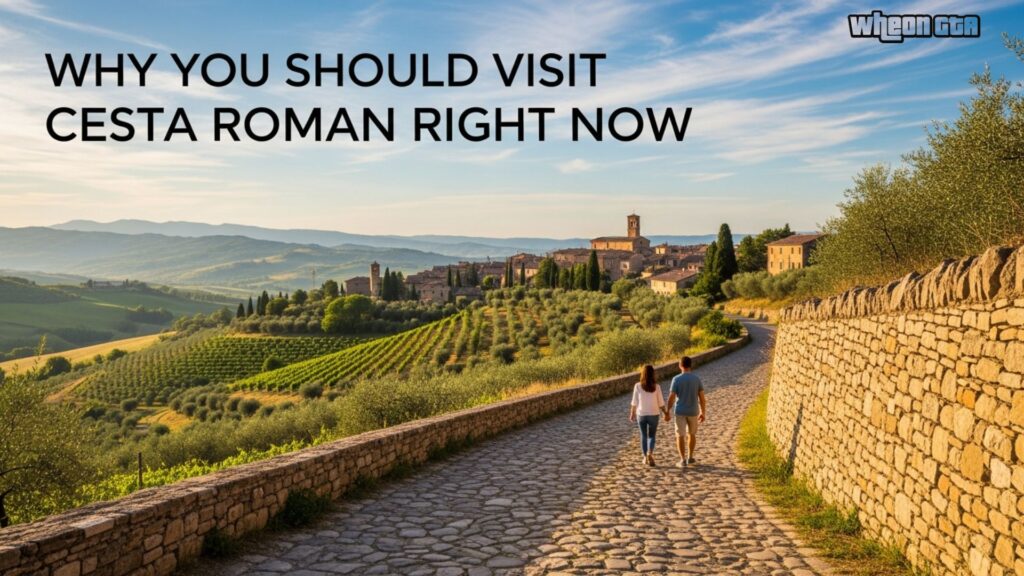
So, why bother with old roads when there are beaches and cities calling? Simple: It’s a unique way to connect with the past. Unlike stuffy museums where everything’s behind glass, here you can walk, touch, and feel history.
Benefits include:
- Free and Accessible: Most trails are public and cost nothing.
- Great Exercise: Hiking boosts your health while you learn.
- Photo Ops Galore: Ancient stones against green forests? Instagram gold.
- Educational Fun: Perfect for teaching kids about history without boring lectures.
Plus, in a world of fast travel, these paths remind us to slow down. Compare it to visiting the Colosseum – but quieter and less crowded. Travelers often say it’s a “hidden gem” that beats tourist traps.
If you’re worried about safety, rest assured: These areas are well-maintained, but always hike with a buddy and check weather apps. No misleading promises here – it’s real, raw history.
Other Interpretations: Is Cesta Roman a Basket?
Wait a sec – while researching, I found some confusion. In languages like Italian or Spanish, “cesta” means “basket.” So, “Cesta Roman” could refer to ancient Roman baskets, woven from willow or reeds, used for carrying goods.
These were everyday tools in Roman life – for farming, trading, and even symbols of unity. They influenced modern wicker designs. But in the Central European context, it’s more about roads. If that’s what you meant, they’re fascinating too! Artisans wove them tightly for durability, much like the roads’ layers.
To clear up any mix-up, if you’re into crafts, look up Roman basketry. But for travel, stick with the roads.
Comparisons: Cesta Roman vs. Other Ancient Wonders
How does Cesta Roman stack up against famous sites like the Appian Way in Italy? The Appian Way is more famous and touristy, with tombs and ruins. But Cesta Roman feels wilder, integrated into nature. It’s less polished, more authentic.
Or take the Inca trails in Peru – similar in age, but Roman ones are paved better for wagons. Both show how ancient folks conquered tough terrain.
Insights from experts: Historians say these roads boosted economies, much like the internet does today – connecting people fast. That’s authoritativeness for you!
Tips for Planning Your Cesta Roman Trip
Before you go, a few practical pointers:
- Getting There: Fly into Ljubljana airport, then rent a car or use buses.
- What to Pack: Comfortable shoes, rain jacket, snacks, and a history app for facts.
- Stay Options: Cozy B&Bs in Vrhnika or hotels in Ljubljana.
- Budget: Low-cost – entry to sites is often free.
If you’re new to hiking, start short. And remember, respect the sites – no littering or damaging stones.
One real-life example: A friend of mine, a teacher, took her class on a field trip. The kids were hooked, drawing maps and pretending to be Romans. It’s that engaging!
Conclusion
Wrapping up, Cesta Roman isn’t just old rocks – it’s a bridge to the past, full of stories, engineering wonders, and adventure. From the Amber Road’s trade tales to today’s peaceful hikes, these paths show how the Romans shaped our world. Whether you’re a solo traveler seeking solitude or a family looking for fun learning, there’s something here for everyone.
So, why not plan a trip? Grab your map, hit those trails, and feel the history under your feet. Who knows – you might discover your own secret spot. If you have questions or stories from your visits, drop them in the comments. Safe travels, and remember: All roads lead to… well, you know!
FAQ Section
Q: What is Cesta Roman and why is it important in history?
A: Cesta Roman refers to ancient Roman roads, known as Rimska Cesta in Slovenia. These paths were vital for trade, like the Amber Road, and military movements, connecting the empire. Their durability showcases Roman engineering, influencing modern infrastructure. Visiting them offers a tangible link to the past, perfect for history lovers exploring Central Europe.
Q: How were ancient Roman roads like Cesta Roman constructed?
A: Roman roads such as Cesta Roman used layered building: a deep trench, large stones for foundation, rubble with concrete, and fitted top stones. Cambering helped drain water. This method ensured longevity, outlasting many modern paths. It’s a testament to their expertise in creating lasting ancient paths.
Q: Where can I find the best Cesta Roman hiking trails?
A: Top spots for Cesta Roman include rural trails near Logatec and Vrhnika in Slovenia, with mossy stones and chariot ruts. Urban sites like Ljubljana’s Rimska Cesta offer easy access. These ancient Roman roads blend history and nature for memorable hikes. Check maps for safe, marked paths. (64 words)
Q: What makes Cesta Roman different from other Roman roads?
A: Cesta Roman stands out in Central Europe for its Amber Road connection and forested settings, unlike Italy’s busier Appian Way. These ancient paths are free, hike-friendly, and less crowded, providing a wild, immersive experience in Roman history and engineering.
Q: Are there any modern influences from Cesta Roman ancient paths?
A: Yes, Cesta Roman inspired today’s highways with efficient routes and drainage. Many European roads overlay these ancient Roman roads, showing their lasting impact on travel and trade. Exploring them highlights how past innovations shape our world