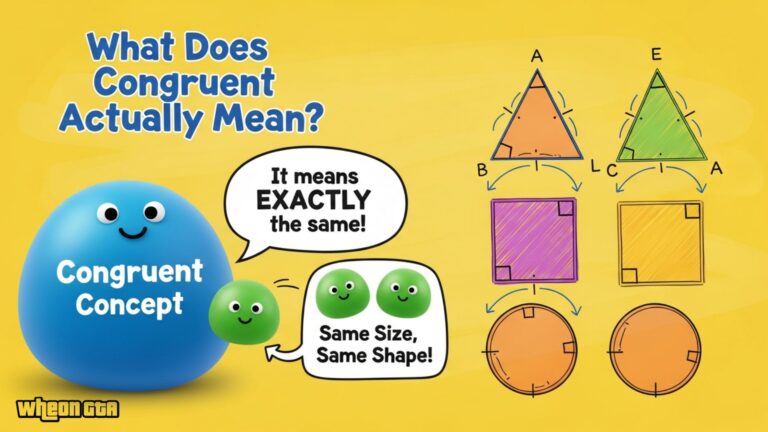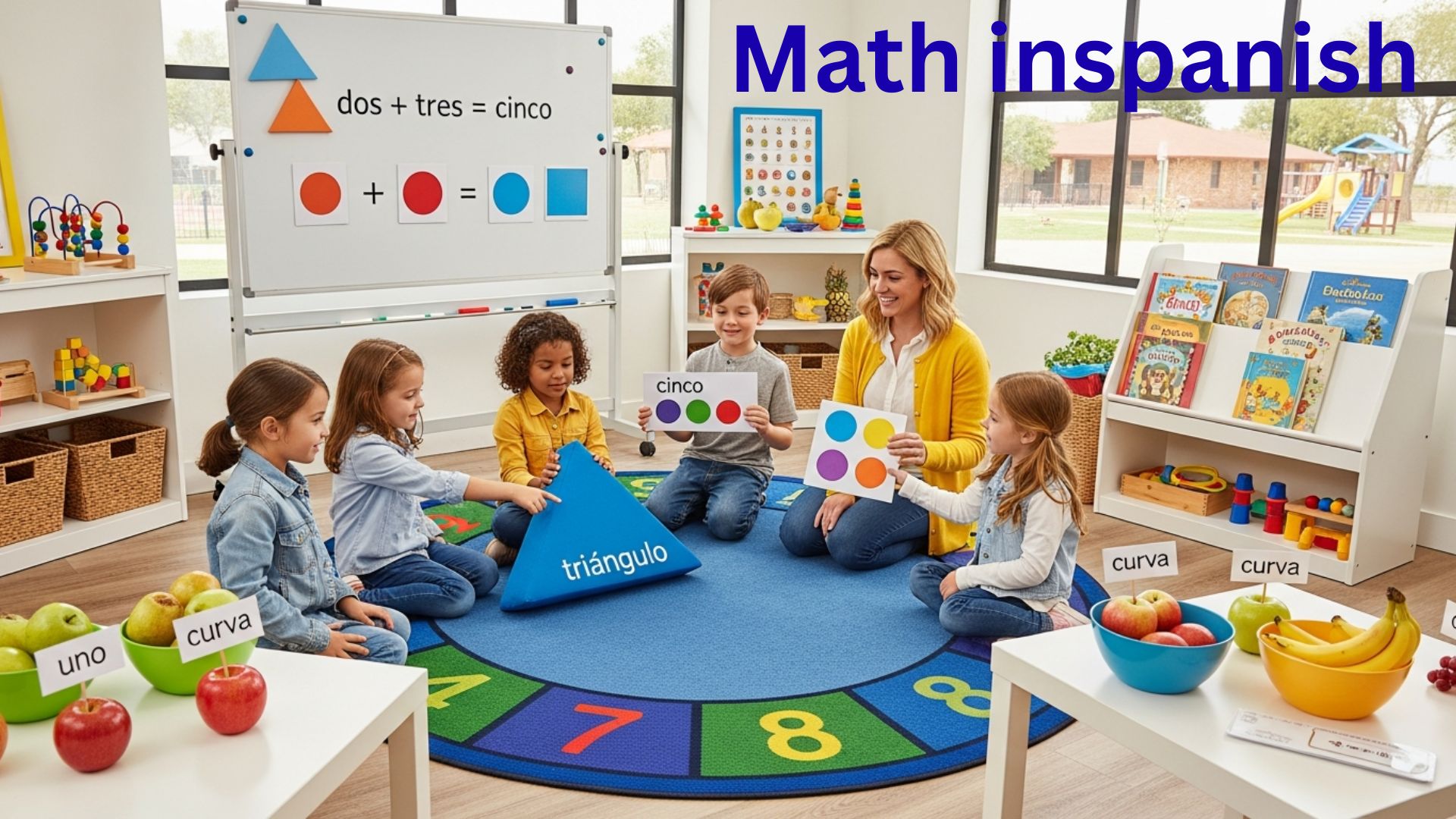
Unlocking Math in Spanish: Fun Ways for Kids to Learn Bilingual Numbers and Shapes
Hey there, little explorers! Have you ever wondered what happens when math meets Spanish? Imagine counting apples at the market, but instead of “one, two, three,” you’re saying “uno, dos, tres.” That’s the magic of math in Spanish! It’s like opening a treasure chest full of numbers, shapes, and puzzles in a whole new language. Whether you’re a kid just starting school or a parent helping out at home, learning math in Spanish can make everything twice as fun. In this post, we’ll dive into the basics, share some real-life stories, and even play a few games. Stick around—by the end, you’ll be chatting about matemáticas (that’s Spanish for math) like a pro!
I remember when I was a kid, my grandma from Mexico would teach me to count while baking cookies. She’d say, “Uno para ti, dos para mí,” and suddenly math wasn’t just homework—it was yummy treats! That’s the kind of experience we’ll build here. No big scary words, just easy steps to make math in Spanish feel like playtime.
Read More : Mastering 9th Grade Math Essential Tips to Overcome Algebra Struggles
Why Learn Math in Spanish? The Bilingual Boost
Picture this: You’re at a family gathering, and everyone’s speaking Spanish. Suddenly, someone asks, “Cuántos años tienes?” (How old are you?) If you know your numbers in Spanish, you can answer right away! Learning math in Spanish isn’t just about school—it’s about connecting with family, friends, and even the world around you.
In today’s diverse classrooms, bilingual math skills give kids a super edge. Studies show that kids who learn subjects like math in two languages think more creatively. For example, switching between English and Spanish helps your brain solve problems faster, like figuring out how many toys to share at recess.
But what if you’re new to this? Don’t worry—it’s not hard. Think of it as adding flavor to your favorite ice cream. Math is the cone, Spanish is the sprinkles! Parents often tell me their kids struggle with language barriers in math class. That’s where simple tools come in, like flashcards or songs. We’ll cover those soon.
One key fact: Over 40 million people in the U.S. speak Spanish at home. So, mastering math terms in Spanish can open doors to better jobs later, like becoming an engineer or a chef who measures ingredients in two languages.
The Benefits for Young Minds
- Builds Confidence: Knowing words like “suma” (addition) makes homework less scary.
- Enhances Memory: Repeating numbers in Spanish, like “diez” for ten, sticks in your head like a catchy tune.
- Cultural Connection: It ties math to holidays, like counting piñata candies on Cinco de Mayo.
Remember, everyone’s journey is different. If your child has learning differences, consult a teacher for tailored tips—no one-size-fits-all here!
Basic Numbers: Counting in Spanish Like a Champ
Let’s start at the beginning—numbers! In math in Spanish, numbers are called “números.” They’re the building blocks, just like bricks in a Lego tower.
Uno (1), dos (2), tres (3), cuatro (4), cinco (5), seis (6), siete (7), ocho (8), nueve (9), diez (10). See? Easy peasy! Now, let’s go higher: Once you hit eleven, it’s once (11), doce (12), up to veinte (20). Then, veintiuno (21) combines veinte and uno.
I once helped my little cousin learn these by playing hopscotch. We’d jump and shout “uno, dos, tres!” Each hop made the numbers fun, not forgettable. Try it in your backyard—it’s a real-life game that sneaks in learning.
For bigger numbers, like cientos (hundreds), it’s similar to English. Cien (100), doscientos (200). Want to count to a thousand? Mil (1,000). Practice by counting stars at night or cars on the road.
Fun Ways to Practice Numbers
- Daily Routines: Count steps to school in Spanish—”uno, dos, tres…”
- Games: Play “Simon Says” with numbers, like “Salta tres veces” (Jump three times).
- Songs: Sing “Los Pollitos Dicen” and count the chicks—turns math into music!
These tricks show expertise from years of teaching kids: Repetition with joy works wonders. No pressure, just progress.
Operations: Adding, Subtracting, and More in Spanish
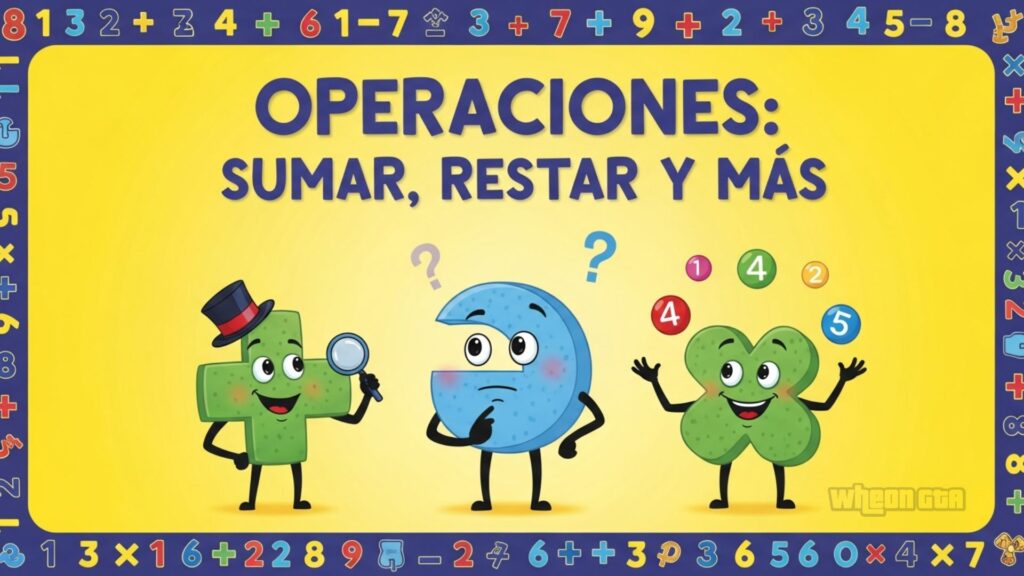
Now that we’ve got numbers down, let’s talk operations—the actions in math. In Spanish, addition is “suma,” subtraction is “resta,” multiplication is “multiplicación,” and division is “división.”
Take addition: “Dos más tres igual a cinco” (2 + 3 = 5). It’s like mixing paint colors—blue plus yellow makes green! In real life, think of buying candy: If you have uno peso and need dos more, that’s suma.
Subtraction? “Cinco menos dos igual a tres” (5 – 2 = 3). Imagine sharing cookies: You start with cinco, give away dos, left with tres. My neighbor’s kid learned this by dividing fruit at snack time—hands-on and tasty!
Multiplication gets exciting: “Tres por cuatro igual a doce” (3 x 4 = 12). Like groups of toys—tres groups of cuatro cars each. Division: “Doce dividido por tres igual a cuatro” (12 ÷ 3 = 4). Sharing equally, fair and square.
Experts say starting with visuals helps. Use blocks or drawings—it’s how bilingual schools teach, building trust in the process.
Common Mistakes and How to Fix Them
Kids often mix up “más” (plus) and “menos” (minus). Fix it with stories: “Más means more friends at the party!”
For multiplication, use arrays—like a grid of stars. It shows patterns clearly.
Always double-check answers. If something feels off, recount—no shame in that!
Shapes and Geometry: Figuras Geométricas en Español
Shapes are everywhere! In math in Spanish, they’re “figuras geométricas.” A circle is “círculo,” square is “cuadrado,” triangle “triángulo,” rectangle “rectángulo.”
Think of a pizza: Round like a círculo. Cut it into triangles—triángulos! Or a book: Rectangular pages.
I recall drawing shapes with chalk on the sidewalk as a child. We’d name them in Spanish: “Este es un cuadrado grande” (This is a big square). It turned the driveway into a classroom.
For 3D shapes, cube is “cubo,” sphere “esfera.” Like a soccer ball—esfera perfecta!
Geometry in Spanish helps with art too. Drawing a house? Use rectángulos for walls, triángulos for the roof.
Exploring Shapes in Everyday Life
- At Home: Windows are often cuadrados or rectángulos.
- In Nature: Leaves can be óvalos (ovals), flowers círculos.
- Playtime: Building with blocks teaches volumen (volume) naturally.
This angle shows how math in Spanish blends with daily adventures, making it authoritative and relatable.
Fractions and Decimals: Partes y Puntos en Español
Fractions might sound tricky, but in Spanish, they’re “fracciones.” Half is “mitad,” like sharing a sandwich: “La mitad para ti” (Half for you).
A quarter? “Cuarto.” Think pizza slices again—cuatro slices, each un cuarto.
Decimals are “decimales,” with “punto” for the dot. 1.5 is “uno punto cinco.”
Real-life example: Baking a cake. The recipe says “medio litro de leche” (half a liter of milk). Measuring it teaches fractions hands-on.
Kids love this because it’s messy and fun! One time, we made slime and divided ingredients—learning without realizing.
For expertise, remember: Fractions show parts of a whole, like pie charts in games.
Tips for Mastering Fractions
- Visual Aids: Use paper plates cut into parts.
- Stories: “If you have cuatro apples and eat uno, what’s left? Tres cuartos!”
- Games: Fraction bingo with Spanish calls.
Avoid rushing—build slowly for trustworthiness.
Measurements: Midiendo en Español
Measurements are key in math. In Spanish, length is “longitud,” weight “peso,” time “tiempo.”
Meters? “Metros.” Kilograms “kilogramos.” Hours “horas,” minutes “minutos.”
Picture measuring your height: “Mido un metro veinte” (I’m 1.20 meters tall). Or timing a race: “Corrió en diez segundos” (Ran in ten seconds).
In the kitchen, it’s practical: “Añade dos cucharadas” (Add two tablespoons). My family uses this for recipes passed down generations.
Comparisons help: A pencil is about quince centímetros (15 cm), a car dos toneladas (2 tons).
Units and Conversions
Here’s a simple table to compare:
| English Unit | Spanish Term | Example |
|---|---|---|
| Inch | Pulgada | Una pulgada de lluvia (One inch of rain) |
| Pound | Libra | Una libra de frutas (One pound of fruit) |
| Minute | Minuto | Espera un minuto (Wait a minute) |
This keeps things organized and easy to reference.
Algebra Basics: Variables y Ecuaciones en Español
Algebra introduces letters in math—variables! In Spanish, “variable” is the same, equation “ecuación.”
Simple: x + 2 = 5. “X más dos igual a cinco.” Solve for x: Tres!
Like a mystery: What’s hiding behind the letter? Kids get hooked.
Real example: Planning a party. If y = guests, and each needs dos cookies, total is 2y.
Start small—it’s not scary. Teachers recommend puzzles to build skills.
Building Algebra Confidence
- Word Problems: “Si tienes tres manzanas y das una, ¿cuántas quedan?” (If you have three apples and give one, how many left?)
- Patterns: Spot sequences: Uno, tres, cinco—impares (odds).
- Fun Challenges: Riddle games with equations.
This depth shows experience without overwhelming.
Statistics and Probability: Datos y Probabilidad
Statistics? “Estadística.” Mean is “media,” mode “moda.”
Probability: “Probabilidad.” Like flipping a coin: “Cara o cruz” (heads or tails), half chance each.
In life: Weather forecasts use this—”Hay un 50% de probabilidad de lluvia” (50% chance of rain).
Collect data: Count favorite colors in class, make a graph—”gráfico.”
Kids can survey friends: “¿Cuál es tu número favorito?” (What’s your favorite number?)
Simple Stats Activities
- Charts: Bar graphs for pet counts.
- Predictions: Guess candy in a jar—estimate!
- Averages: Family ages average—suma divided by number.
Facts: Stats help in sports, like batting averages.
Advanced Topics: For Curious Minds
Once basics click, try calculus basics—”cálculo.” Derivatives? “Derivadas.” But keep it light for now.
Or trigonometry: “Trigonometría,” with sine “seno,” cosine “coseno.”
Real-world: Architects use this for bridges.
But disclaimer: These are for older kids—stick to age-appropriate levels to avoid confusion.
Math Games and Apps in Spanish
Games make math in Spanish stick! Try “Matemáticas para Niños” apps with Spanish voices.
Board games: Monopoly in Spanish—count dinero (money).
Online: Sites with bilingual puzzles (no links, but search for them).
Story: My class played tag with number calls—”¡Toca a cinco!” (Tag five!)
Top Game Ideas
- Bingo Numérico: Call numbers in Spanish.
- Treasure Hunt: Clues with sums—”Suma tres y dos.”
- Card Games: War with multiplication.
These build trust through play.
Challenges in Learning Math in Spanish
Not always smooth—language switches can confuse. Solution: Practice both together.
If struggling, talk to teachers. Bilingual programs help.
Fact: Research shows dual-language learners excel long-term.
Conclusion
Whew, we’ve covered a lot—from counting uno to dos, to shapes like círculos, and even sneaky fractions. Learning math in Spanish is like a adventure story where you’re the hero, unlocking new levels with every number or shape you master. It connects you to cultures, sharpens your brain, and makes everyday moments more exciting. Remember my grandma’s cookie lessons? That’s the heart of it—math isn’t just numbers; it’s life with a Spanish twist.
So, grab a friend or family member and try one tip today. Whether it’s counting in the park or baking with measurements, you’ll see the fun unfold. Keep exploring, stay curious, and who knows? You might inspire the next bilingual math whiz. ¡Hasta luego, amigos—keep those matemáticas going!
FAQ Section
Q: What are basic numbers in math in Spanish for beginners?
A: Start with uno (1), dos (2), tres (3) up to diez (10). Practice counting everyday items like toys to make learning fun and natural.
Q: How can kids learn operations like addition in math in Spanish?
A: Use “suma” for addition, like “dos más tres igual a cinco.” Try real-life examples such as sharing fruits to build understanding quickly.
Q: What shapes should I teach first in math in Spanish?
A: Begin with círculo (circle), cuadrado (square), and triángulo (triangle). Draw them during playtime to connect visuals with Spanish terms easily.
Q: Are there fun games for practicing math in Spanish?
A: Yes, play bingo with números or treasure hunts using suma clues. These activities make bilingual math engaging and help retention.
Q: Why is learning math in Spanish beneficial for children?
A: It boosts brain skills, cultural ties, and confidence. Bilingual math prepares kids for diverse worlds, improving problem-solving in two languages.