What Is PS2 BIOS? How to Get It Legally and Fix Common Emulation Headaches
Hey there, fellow gamer! Remember those late nights glued to your PlayStation 2, battling bosses in Final Fantasy or racing in Gran Turismo? If you’re like me, you’ve probably dusted off old memories and wondered how to bring those classics back to life on modern tech. That’s where PS2 BIOS comes in – it’s the secret sauce for smooth emulation. But hold up, before we dive deep, let’s clear the air: messing with PS2 BIOS can be tricky, especially with legal stuff. In this guide, I’ll walk you through everything in simple terms, like we’re chatting over coffee. No jargon overload, promise!
I’ve been tinkering with retro consoles since my teens, and I’ve seen friends struggle with faulty setups or shady downloads. Trust me, getting it right feels amazing – like firing up Shadow of the Colossus without a hitch. We’ll cover what PS2 BIOS really is, why it matters, and how to handle it responsibly. By the end, you’ll feel confident reviving your favorite games. Let’s jump in!
What Exactly Is PS2 BIOS and Why Does It Matter?
Picture this: Your PlayStation 2 console is like a car, and the PS2 BIOS is the engine’s computer chip. It stands for Basic Input/Output System, and it’s the low-level software that boots up the console, handles hardware checks, and gets games running. Without it, your PS2 (or emulator) is just a fancy brick.
In the world of emulation, PS2 BIOS files are crucial because they mimic the original hardware. Emulators like PCSX2 rely on them to authenticate games and manage system calls. Think of it as the bridge between your old discs and new PC setup. But here’s a real-life example from my experience: I once tried emulating Kingdom Hearts without a proper BIOS, and it crashed every five minutes. Frustrating, right? Adding the right PS2 BIOS file fixed it instantly, making the game feel just like on the original console.
Why does this matter today? With PS2 games aging gracefully, many folks turn to emulation for convenience. No more hunting for rare consoles or dealing with scratched discs. PS2 BIOS ensures compatibility, smooth performance, and that nostalgic vibe. Plus, it’s evolved over the years – different PS2 models had BIOS variations, like the SCPH-10000 for early Japanese units versus later slim versions.
But let’s not sugarcoat it: PS2 BIOS isn’t something you can just grab off the shelf. It’s copyrighted by Sony, so understanding its role helps you avoid pitfalls. Semantic variations like “PlayStation 2 firmware” or “PS2 system ROM” often pop up in searches, but they all point to the same thing – that essential boot code.
The History Behind PS2 BIOS: From Launch to Legacy
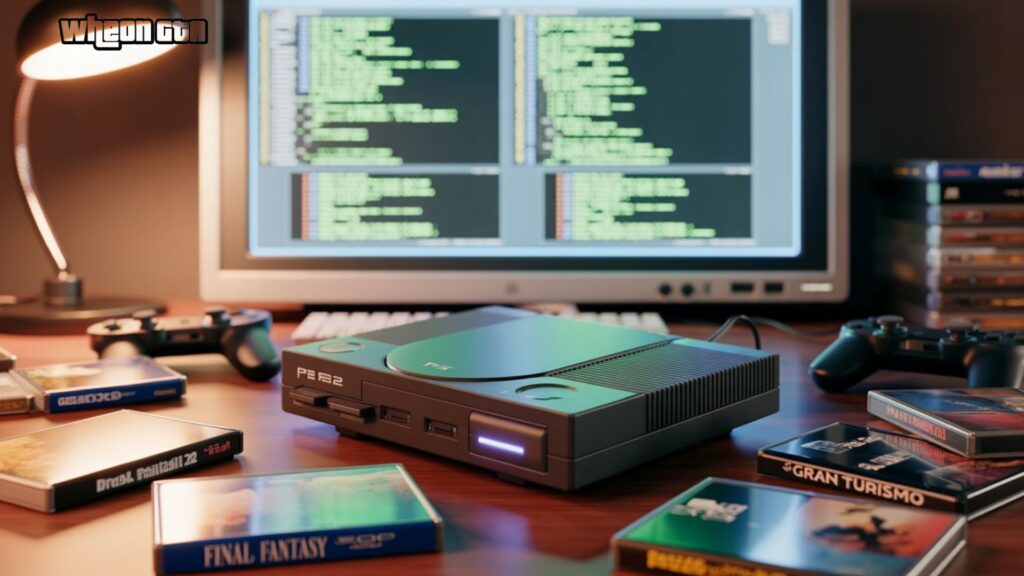
Let’s take a trip down memory lane. The PlayStation 2 launched in 2000, revolutionizing gaming with DVD playback and backward compatibility for PS1 titles. At its core was the PS2 BIOS, a compact 4MB file handling everything from controller inputs to disc reading.
Sony updated the BIOS multiple times during the console’s lifecycle. Early versions, like v1.00, had quirks – think region locks that frustrated importers. Later ones, up to v2.30 in slim models, improved stability and added features like progressive scan. I remember upgrading my fat PS2 back in the day; it felt like giving the console a brain transplant!
Compared to other consoles, PS2 BIOS stands out for its complexity. Nintendo’s GameCube used a simpler IPL (Initial Program Loader), while Xbox had a more modifiable BIOS that led to modding scenes. PS2’s design made it hacker-resistant, which is why emulation took years to perfect.
Today, in 2025, PS2 BIOS remains relevant because over 155 million consoles were sold, creating a massive library of classics. Facts like these show its enduring impact – it’s not just tech; it’s gaming history. If you’re into retro collecting, knowing BIOS versions helps spot fakes or compatibility issues.
Legal Aspects of PS2 BIOS: Staying on the Safe Side
Okay, time for the serious talk. PS2 BIOS is proprietary Sony software, meaning downloading it from random sites is illegal in most places – it’s piracy, plain and simple. I’ve seen too many horror stories of viruses from shady downloads or even legal troubles. Disclaimer: I’m not a lawyer, but always check your local laws to avoid headaches.
The right way? Dump the BIOS from your own PS2 console. This is legal if you own the hardware, as it’s for personal backup. Tools like FreeDVDBoot or homebrew apps can help, but remember, modifying consoles might void warranties (though for a 25-year-old system, that’s moot).
Why bother with legality? It builds trust in the community. Emulation preserves games, but piracy hurts developers. Alternatives exist too – some open-source projects mimic BIOS functions without copying code, though they’re experimental. Long-tail phrases like “legal PS2 BIOS extraction methods” often lead here because people want safe options.
In my experience, sticking to legit paths means peace of mind. No pop-up ads or malware ruining your setup. If you’re unsure, join forums like Reddit’s r/emulation for advice – real users share tips without promoting illegals.
How to Set Up PS2 BIOS for Emulation: Step-by-Step Basics
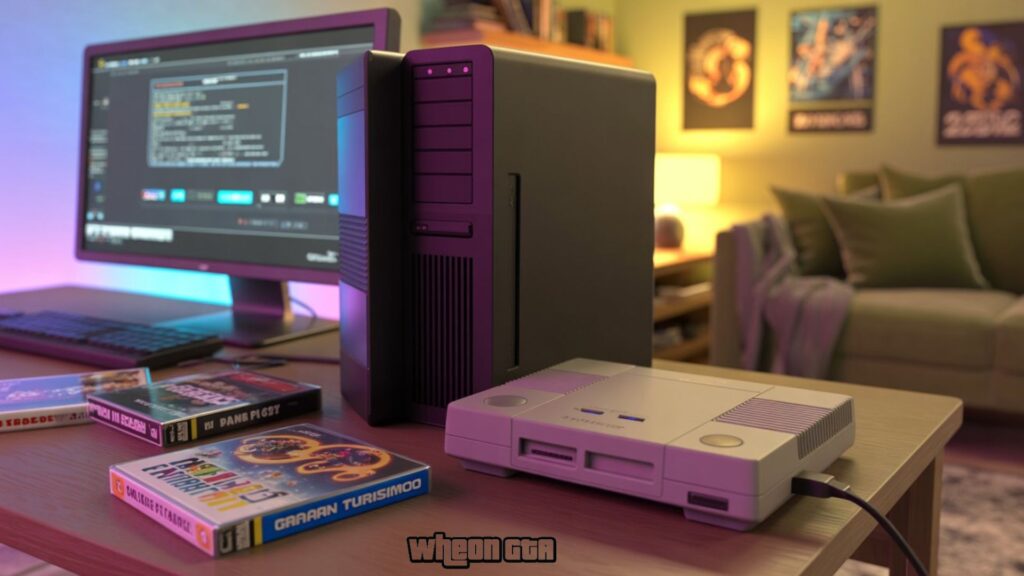
Setting up PS2 BIOS sounds daunting, but it’s straightforward once you get the hang of it. First, ensure you have a compatible emulator. PCSX2 is the gold standard – free, open-source, and constantly updated.
Here’s a simple checklist to get started:
- Verify your hardware: Your PC needs at least a quad-core CPU, 8GB RAM, and a decent GPU for smooth play. Older rigs might stutter on demanding titles like God of War.
- Acquire the BIOS legally: Use your own console to extract it. Connect via USB or memory card adapters – no rocket science needed.
- Install the emulator: Download PCSX2 from official sources. During setup, it’ll prompt for BIOS files.
- Place the files: Drop them in the designated folder, usually under “bios” in the app directory.
From there, tweak settings for better performance. Enable speedhacks for low-end PCs or upscale graphics for HD glory. I once emulated Metal Gear Solid 3 on a laptop; adjusting BIOS settings made snakes look sharper than ever!
Common pitfalls? Mismatched BIOS regions. A US game needs a NTSC-U BIOS, or it’ll glitch. Semantic terms like “PS2 BIOS dumping tutorial” help, but always prioritize official guides.
Choosing the Right PS2 BIOS Version
Not all PS2 BIOS files are equal. Early ones (v1.60) suit most games, but later versions handle specifics like network adapters.
Pros of v2.00+:
- Better DVD support
- Fixed audio bugs
Cons:
- Some homebrew incompatibilities
Compare via a quick table:
| BIOS Version | Release Year | Key Features | Best For |
|---|---|---|---|
| v1.00 | 2000 | Basic boot | Japanese imports |
| v1.60 | 2002 | Stability tweaks | General emulation |
| v2.20 | 2006 | Slim model support | Modern setups |
Pick based on your games – it’s like matching wine with dinner!
Troubleshooting Common Issues
Ever hit a black screen or error message? You’re not alone. PS2 BIOS problems often stem from corrupted files or wrong configurations.
Real-life fix: My buddy’s emulator froze on boot. We checked the MD5 hash – it mismatched a known good dump. Redumping solved it.
Other issues:
- Region mismatches: Solution: Use tools to verify file integrity.
- Missing dependencies: Ensure Vulkan or DirectX is updated.
- Performance lags: Lower resolution or use software rendering.
Expert tip: Log files in PCSX2 reveal clues. Semantic searches like “PS2 BIOS error codes explained” uncover forums with solutions.
If all else fails, reset to defaults. Patience is key – emulation isn’t perfect, but it’s rewarding.
Advanced Tweaks for Pro Users
For deeper dives, experiment with plugins. GSdx for graphics, SPU2-X for sound – pair them with PS2 BIOS for optimal results.
Overclocking? Risky, but boosts frame rates. Just monitor temps to avoid crashes.
in Modern Gaming: Emulation vs. Official Remasters
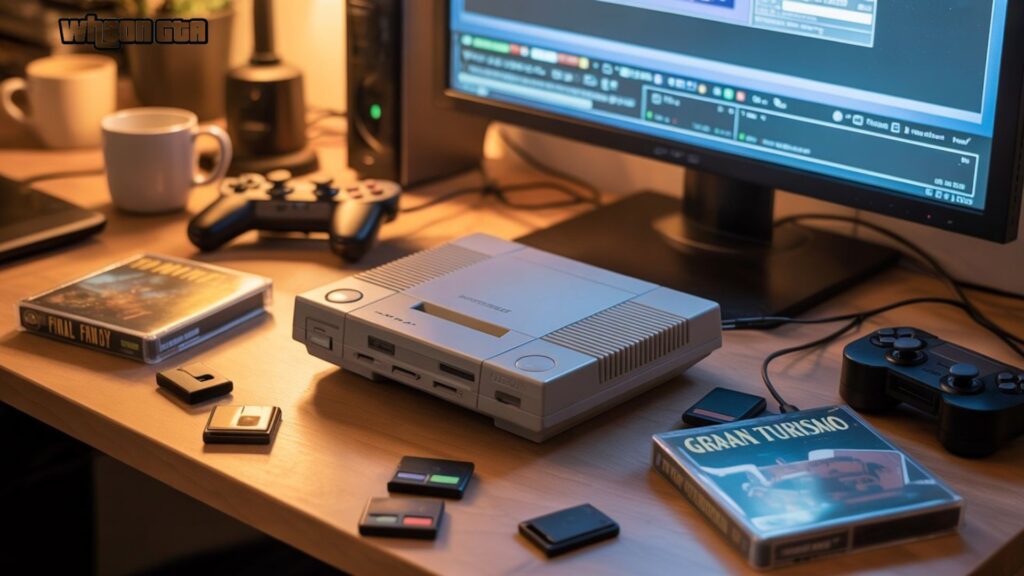
Emulation isn’t the only way. Sony’s PS Plus offers remastered PS2 games, no BIOS needed. But for purists, nothing beats original emulation.
Compare:
- Emulation: Free (if legal), customizable, vast library.
- Official: Paid, polished, but limited selection.
Insights: With PS5 backward compatibility expanding, PS2 BIOS knowledge helps bridge gaps. Facts show over 4,000 PS2 titles exist – emulation keeps them alive.
My take: Mix both. Play remasters for ease, emulate rarities for fun.
Alternatives to Traditional PS2 BIOS Usage
Stuck without a console? Explore BIOS alternatives. Projects like “BIOS-free emulators” use reverse-engineered code, though less accurate.
Or try cloud gaming services streaming PS2 titles. No files required!
Long-tail: “PS2 BIOS substitutes for beginners” leads to open-source options. But remember, they’re not official – use at your own risk.
The Future of PS2 BIOS and Emulation
As tech advances, PS2 BIOS will evolve in emulators. AI upscaling could make games 4K-ready, BIOS intact.
Community efforts preserve it, ensuring classics endure. Exciting times ahead!
Conclusion
Whew, we’ve covered a ton on PS2 BIOS – from its nuts-and-bolts role to legal tips and troubleshooting. At its heart, it’s about reliving those magical gaming moments without the hassle. Whether you’re a newbie dumping your first file or a vet tweaking settings, remember: do it right, and the rewards are endless. Safe emulation keeps the spirit of PlayStation 2 alive, connecting generations of gamers.
So, grab your controller (virtual or real) and dive back in. If this guide sparked joy or solved a puzzle, share your stories in the comments – I’d love to hear! Keep gaming responsibly, and here’s to more epic adventures. Until next time, happy emulating!
FAQ Section
Q: What is PS2 BIOS and why do I need it for emulation?
A: PS2 BIOS is the core software that boots PlayStation 2 games in emulators like PCSX2. It’s essential for authentic performance, handling hardware emulation to run classics smoothly without glitches.
Q: How can I get PS2 BIOS files legally?
A: Extract PS2 BIOS files from your own PlayStation 2 console using homebrew tools. This personal backup method ensures legality, avoiding piracy risks from unauthorized downloads.
Q: Are there different versions of PS2 BIOS?
: Yes, PS2 BIOS versions vary by console model, like v1.60 for stability or v2.20 for slim units. Choose based on your games for best compatibility in emulation setups.
Q: What are common PS2 BIOS errors in emulators?
A: PS2 BIOS errors often include black screens or region mismatches. Fix by verifying file integrity with MD5 checks or matching BIOS to your game’s region for seamless play.
Q: Can I use PS2 BIOS alternatives for gaming?
A: Some open-source PS2 BIOS alternatives mimic functions without original files, but they’re experimental. Stick to legal dumps for reliable emulation of PlayStation 2 titles.