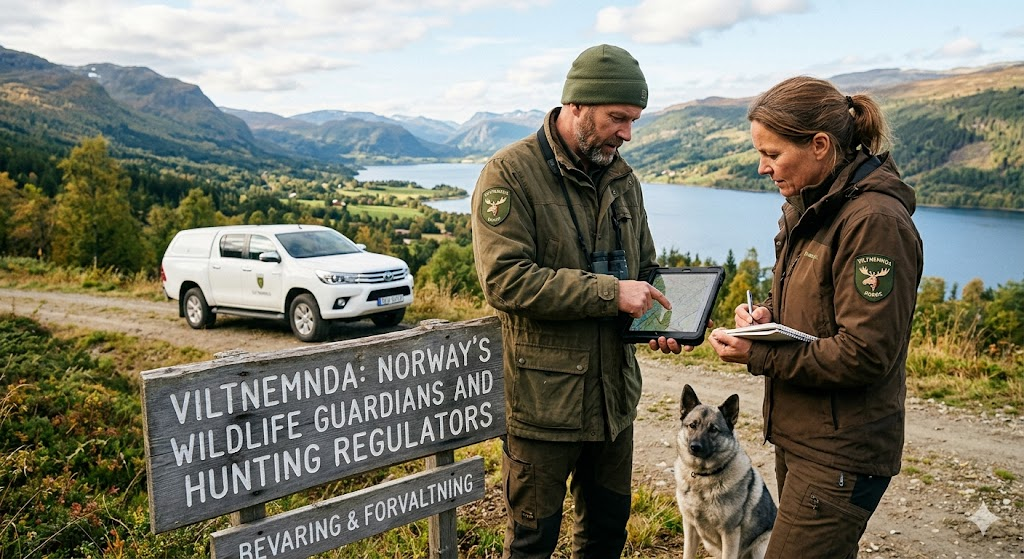
Viltnemnda: Norway’s Wildlife Guardians and Sustainable Hunting Regulators
If you’re in Norway, you may have heard the term “Viltnemnda” floating around, especially when it comes to wildlife conservation and hunting. So, what exactly is Viltnemnda, and why should you care about it? In this article, we will explore everything you need to know about Viltnemnda, its role in wildlife management, and how it impacts the environment and hunting practices in Norway. Whether you’re a nature enthusiast, a hunter, or simply curious about wildlife preservation, this guide will provide valuable insights.
What is Viltnemnda?
Viltnemnda is a Norwegian term that refers to wildlife councils that are responsible for managing the country’s wildlife. These councils play a crucial role in ensuring that wildlife populations remain healthy, balanced, and sustainable. They work closely with government authorities, local communities, and environmental organizations to monitor animal populations, establish hunting regulations, and implement conservation efforts.
The Viltnemnda councils are set up in various regions across Norway, ensuring that local needs and environmental factors are considered in wildlife management. Their tasks include overseeing hunting permits, managing protected areas, and advising the government on wildlife issues.
The Role of Viltnemnda in Wildlife Conservation
One of the primary responsibilities of Viltnemnda is wildlife conservation. This involves protecting endangered species, restoring habitats, and ensuring that animal populations are kept in check to maintain ecological balance. Viltnemnda councils monitor wildlife health, conduct research, and collaborate with biologists to address emerging challenges in conservation.
For example, the councils are instrumental in managing species that are at risk, such as the wild reindeer or certain bird species. They help establish conservation areas where hunting is restricted, giving wildlife the space they need to thrive.
Viltnemnda and Hunting Regulations
Hunting is a deeply ingrained tradition in Norway, and Viltnemnda plays an important role in regulating this activity. Their role is to ensure that hunting is done in a sustainable and ethical manner, so wildlife populations can be maintained for future generations. Each Viltnemnda council is responsible for issuing hunting permits and setting hunting quotas based on animal population numbers.
This ensures that hunters follow the law and that hunting practices don’t threaten wildlife populations. Viltnemnda councils also educate hunters about ethical hunting practices, helping them make informed decisions about which animals can be hunted and under what conditions.
How Viltnemnda Affects Local Communities
Viltnemnda councils are not just concerned with wildlife; they also consider the needs of local communities. Many rural areas in Norway depend on hunting as a way of life, and Viltnemnda ensures that these communities can continue to benefit from sustainable hunting practices. They help regulate hunting seasons, ensuring that animals are not over-hunted, and that the local economy remains stable.
In addition, Viltnemnda works to educate local people about the importance of wildlife management and conservation. They promote sustainable practices, encourage biodiversity, and help people understand how their actions can impact the environment.
The Importance of Collaboration with Environmental Groups
Viltnemnda councils don’t work alone. They collaborate with environmental groups, scientists, and government agencies to create a unified approach to wildlife management. This collaboration helps gather data, implement conservation strategies, and address emerging issues that affect wildlife. For example, if there is a rise in poaching or an imbalance in certain species, Viltnemnda can work together with experts to find solutions quickly.
Their partnership with environmental groups also helps raise awareness about the importance of protecting wildlife for future generations. These partnerships foster a greater sense of responsibility towards nature, encouraging everyone to play a role in preserving the environment.
Viltnemnda and Biodiversity Protection
One of the goals of Viltnemnda is to protect Norway’s rich biodiversity. By managing wildlife populations, the councils ensure that various species can live and thrive in their natural habitats. Biodiversity is essential for ecosystem health, as it supports everything from plant life to insect populations.
Viltnemnda’s work ensures that Norway’s ecosystems remain diverse and resilient, which is essential for long-term environmental health. By preserving habitats, they also contribute to the overall stability of ecosystems, helping to prevent the extinction of rare species and ensuring balanced interactions between wildlife and plants.
The Role of Viltnemnda in Education and Awareness
Another important aspect of Viltnemnda’s work is education. They provide information to the public, hunters, and local communities about wildlife management and conservation practices. This includes understanding which species are at risk, how to avoid disturbing wildlife, and how to follow ethical hunting practices.
Viltnemnda also collaborates with schools and environmental programs to teach children about wildlife and the importance of protecting it. This helps foster a generation that is more mindful of their environmental impact and understands the importance of sustainable practices.
How to Get Involved with Viltnemnda
If you’re interested in getting involved with wildlife conservation or hunting in Norway, there are several ways you can engage with Viltnemnda. First, you can apply for hunting permits through your local Viltnemnda council, which will give you the opportunity to hunt responsibly while adhering to regulations. You can also participate in conservation efforts, volunteering to help monitor wildlife or participate in local environmental programs.
Additionally, if you live in a rural area, you can get involved by attending meetings and learning more about the decisions being made in your region. Viltnemnda councils welcome local input and often hold public consultations to ensure that everyone’s voice is heard.
Common Myths About Viltnemnda
There are several myths and misconceptions surrounding Viltnemnda and its role in wildlife management. Let’s address a few of the most common ones:
- Viltnemnda is only about hunting – While hunting regulation is one aspect, the councils are deeply involved in conservation, biodiversity protection, and habitat restoration.
- Viltnemnda has too much power – Viltnemnda works in collaboration with local communities, scientists, and government agencies to ensure that decisions are made fairly and transparently.
- Viltnemnda only cares about animals – In reality, Viltnemnda considers the needs of both wildlife and local human populations, ensuring a balance between conservation and sustainable development.
Challenges Facing Viltnemnda Today
Viltnemnda faces several challenges, including climate change, habitat loss, and illegal poaching. As the climate shifts, animal populations are moving, and some species may be at risk of extinction. Viltnemnda must adapt its strategies to account for these changes and ensure that wildlife is still properly protected.
Illegal poaching remains a significant issue as well, with certain species being targeted for their value on the black market. Viltnemnda works closely with law enforcement to combat these illegal activities and protect wildlife populations.
Conclusion: Viltnemnda’s Vital Role in Norway’s Future
Viltnemnda plays a crucial role in protecting Norway’s wildlife and ensuring that hunting practices remain sustainable. By focusing on both conservation and local needs, Viltnemnda helps to create a balance that benefits both people and animals. Whether you’re a hunter, environmental advocate, or simply interested in wildlife, understanding the role of Viltnemnda is essential for ensuring that Norway’s natural beauty remains intact for generations to come.
FAQs About Viltnemnda
1. What is Viltnemnda responsible for?
Viltnemnda is responsible for wildlife management, including regulating hunting, protecting endangered species, and promoting conservation efforts in Norway.
2. How can I get involved with Viltnemnda?
You can apply for hunting permits, participate in local conservation programs, or attend public consultations held by your local Viltnemnda council.
3. Does Viltnemnda only focus on hunting?
No, while hunting regulation is one aspect, Viltnemnda is also deeply involved in protecting biodiversity, restoring habitats, and working with environmental organizations.
4. Are Viltnemnda’s decisions transparent?
Yes, Viltnemnda works with local communities, scientists, and government bodies to ensure that their decisions are fair and well-informed.
5. How does Viltnemnda help local communities?
Viltnemnda supports local communities by ensuring sustainable hunting practices, promoting biodiversity, and helping rural areas thrive through conservation efforts.
6. What challenges does Viltnemnda face?
Viltnemnda faces challenges such as climate change, habitat loss, and illegal poaching, all of which require ongoing adaptation and strategic planning.